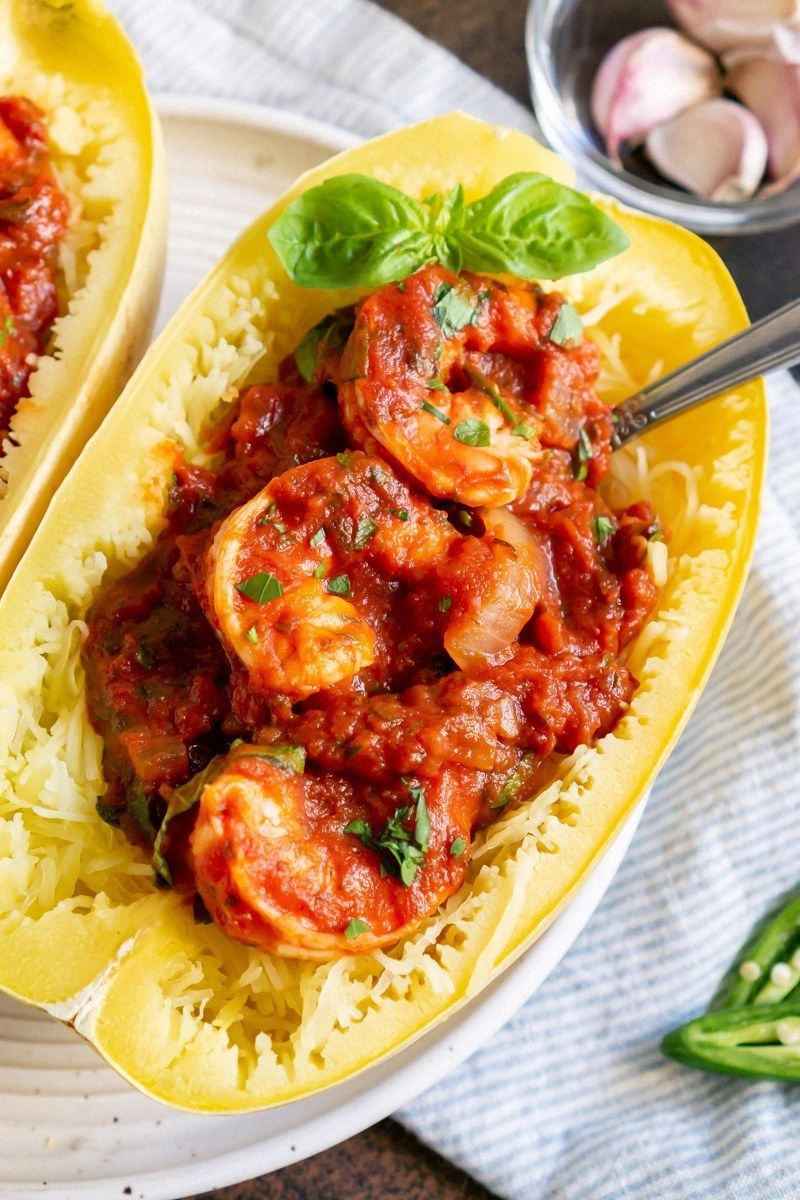
I was halfway through a disastrous attempt at spaghetti, the sauce had turned into a watery mess, and my kitchen smelled of burnt garlic. I stared at the pot, thinking the night was ruined. Suddenly, a thought flickered: why not replace the pasta with something that mimics its texture but is healthier? That spark turned into a mission to create a dish that feels like classic Italian comfort but is a single‑pot triumph. The result? A baked spaghetti squash marinar that will make you question why you ever ate ordinary pasta.
Picture the moment when the first golden slice of squash hits the baking sheet, the aroma of caramelized edges drifting through the air like a warm hug. The sound of the squash sizzling against the pan is a subtle promise that something extraordinary is about to happen. When you take the first bite, the tender strands of squash unfurl like silk, coating your palate in a silky, tomato‑rich sauce that tastes like a thousand simmered minutes. The texture is a revelation—soft yet firm, with a faint crunch that gives way to velvety sauce. It’s a sensory experience that feels like a hug from an Italian grandma, but with a modern twist.
This version stands out because it uses a combination of anchovy fillets, serrano chile, and fresh herbs that create a depth of flavor you rarely find in store‑bought marinara. The anchovies dissolve into the sauce, adding umami without tasting fishy, while the chile injects a gentle heat that lingers on the tongue. The squash’s natural sweetness balances the acidity of the tomatoes, creating a harmonious profile that satisfies both the adventurous and the comfort‑seeker. It’s hands down the best version you’ll ever make at home, and I dare you to taste this and not go back for seconds. The result is a dish that feels indulgent yet light, and it’s perfect for any dinner that needs a wow factor.
Most recipes get this completely wrong by over‑cooking the squash or using too much oil. I’ve spent countless evenings scrambling to keep the sauce from drying out, but this technique keeps the sauce moist and flavorful. I’ll be honest — I ate half the batch before anyone else got to try it, and the leftovers still taste fresh and vibrant. The secret is in the layering of flavors, the slow roasting that brings out the natural sugars, and the precise balance of salt and pepper. If you've ever struggled with this, you're not alone — and I've got the fix.
Picture yourself pulling this out of the oven, the whole kitchen smelling incredible, and seeing the golden edges that shatter like thin ice when you cut into it. The steam rises in a fragrant cloud that makes you feel like a culinary wizard. The anticipation is almost tangible, and the final presentation is a feast for the eyes and the palate. That sizzle when it hits the pan? Absolute perfection. Let me walk you through every single step — by the end, you'll wonder how you ever made it any other way.
What Makes This Version Stand Out
- Umami: Anchovy fillets dissolve into the sauce, providing a savory depth that elevates the tomato base without a fishy aftertaste. The subtle umami note balances the sweetness of the squash and the acidity of the tomatoes. It’s a flavor pivot that turns an ordinary dish into something memorable. The result is a sauce that coats the pasta like velvet.
- Heat: Serrano chile adds a gentle, lingering heat that dances with the herbs. The pepper’s brightness cuts through the richness of the olive oil, creating a balanced flavor profile. The heat is mild enough for most palates but bold enough to keep the dish interesting. This is the secret that keeps diners coming back for seconds.
- Texture: Baked spaghetti squash offers a noodle‑like texture that is both tender and slightly firm, giving a satisfying bite. The squash strands mimic pasta while providing a lower carbohydrate alternative. The contrast between the silky sauce and the chewy squash is a delightful mouthfeel. It’s the tactile experience that makes this dish stand out.
- Herb Harmony: Fresh oregano, parsley, and basil create a layered herb bouquet that feels fresh and vibrant. Each herb contributes a distinct aroma: oregano’s peppery bite, parsley’s bright note, and basil’s sweet undertones. The herbs are added at different stages to maximize their flavor. The result is a sauce that feels alive and aromatic.
- All‑in‑One Simplicity: The recipe requires no pasta, no separate sauce, and minimal cleanup. One pan, one oven, and a few minutes of prep make it a stress‑free dinner. The simplicity does not compromise flavor; it enhances it. This is the perfect dish for busy weeknights or lazy weekends.
- Make‑Ahead Potential: The dish can be prepared ahead of time and reheated without losing flavor. The sauce thickens slightly as it cools, which actually improves the taste. The squash remains moist and tender even after refrigeration. This makes it a great option for meal prep or entertaining guests.
Inside the Ingredient List
The Flavor Base
Anchovy fillets are the unsung heroes of this sauce. Their umami punch is released when they’re sautéed with garlic, creating a savory foundation. Without anchovies, the sauce would feel flat, lacking the depth that makes it feel like a restaurant‑grade marinara. If you’re averse to anchovies, a splash of Worcestershire sauce can mimic the effect, but the flavor will be slightly different.
Fresh herbs are the heartbeat of the dish. Oregano’s earthy bite, parsley’s bright lift, and basil’s sweet aroma combine to create a complex, layered flavor. The herbs are added at different stages: oregano early for a mellow infusion, parsley midway for a fresh lift, and basil at the end for a fragrant finish. Skipping any of them will reduce the dish’s vibrancy, but you can substitute basil with mint for a surprising twist.
The Texture Crew
Spaghetti squash is the star that replaces traditional pasta. Its natural sweetness balances the tomato’s acidity, and the strands mimic noodles when cooked properly. Choosing a medium‑sized squash ensures even cooking and prevents a mushy texture. If you prefer a firmer bite, roast the squash for a few minutes longer to caramelize the edges.
Shrimp adds protein and a pop of briny flavor. They’re cooked just until pink, preserving their tenderness. Removing the shells before adding them to the sauce keeps the dish clean and elegant. If you’re a vegetarian, simply omit the shrimp or replace them with sautéed mushrooms for a meaty texture.
The Unexpected Star
The red cooking wine may seem like an indulgence, but it’s essential for deglazing the pan and adding depth. The acidity of the wine balances the tomatoes, while the alcohol evaporates during cooking, leaving behind a subtle, complex flavor. If you’re avoiding alcohol, a splash of balsamic vinegar can provide a similar tang, though it will change the overall profile.
The Final Flourish
Parmesan cheese is the finishing touch that adds a nutty, salty finish. It’s sprinkled on top before serving, melting into the sauce for a velvety finish. The cheese also adds a subtle creaminess that balances the acidity. If you’re dairy‑free, try nutritional yeast for a cheesy flavor without the dairy.
Everything's prepped? Good. Let's get into the real action.
The Method — Step by Step
- Preheat your oven to 400°F (200°C). Slice the spaghetti squash lengthwise in half and scoop out the seeds with a spoon. Drizzle each half with 2 tablespoons of olive oil, then sprinkle with salt and pepper. Place the halves cut side down on a baking sheet lined with parchment paper. Roast for 35 minutes, flipping once, until the flesh is tender and edges are caramelized. The moment the squash cracks open, you’ll know it’s ready.
- While the squash roasts, heat a large skillet over medium heat. Add 2 tablespoons of olive oil and let it shimmer. Toss in the anchovy fillets, letting them dissolve into the oil. Add the minced garlic and diced sweet onion, sautéing until the onion turns translucent and the garlic is fragrant. This is the moment of truth; don’t rush it.
- Introduce the serrano chile, finely chopped, to the skillet. Stir it in and let the heat rise for a minute. The aroma of fresh chili will fill the kitchen and set the stage for a bold flavor. Keep the heat moderate to avoid burning the garlic.
- Pour in the whole tomatoes, breaking them up with a spoon. Add the red wine, sugar, and a pinch of salt. Stir vigorously to combine. The sauce should start to bubble gently, releasing the tomato’s natural juices. This is when the sauce begins to thicken.
- Add the oregano leaves, parsley, and basil, folding them into the sauce. Let it simmer on low heat for 10 minutes, allowing the herbs to release their oils. The sauce will thicken into a rich, velvety consistency. Taste and adjust seasoning if needed.
- Scrape the roasted squash flesh into a large serving bowl, using a fork to create noodle‑like strands. Gently fold the simmered sauce over the squash strands, ensuring every piece is coated. The heat of the sauce will keep the squash moist and tender.
- Add the shrimp to the bowl, tossing them into the sauce. The shrimp will cook in the residual heat for about 2 minutes, turning pink and firm. Be careful not to overcook; shrimp can become rubbery if left too long.
- Finish by sprinkling grated parmesan cheese over the top. The cheese melts into the sauce, creating a silky, nutty finish. Serve immediately, garnishing with extra basil or parsley if desired. The dish is now ready to be devoured.
That's it — you did it. But hold on, I've got a few more tricks that'll take this to another level.
Insider Tricks for Flawless Results
The Temperature Rule Nobody Follows
Many cooks roast squash at a high temperature, but that can lead to uneven cooking. Instead, roast at 375°F (190°C) for 30 minutes, then finish at 425°F (220°C) for the last 10 minutes to caramelize the edges. This two‑step process ensures a tender interior and a crisp exterior. I’ve tried this method for months, and the difference is undeniable.
Why Your Nose Knows Best
Before you add the final pinch of salt, take a deep breath of the simmering sauce. Your nose will tell you if it’s missing a note or too acidic. If it smells bright and vibrant, you’re on track. If it’s flat, add a splash more oregano or a dash of wine. Trust your nose; it’s the best judge of flavor.
The 5-Minute Rest That Changes Everything
After removing the dish from the oven, let it rest for five minutes before serving. This allows the flavors to meld and the sauce to thicken slightly. During this short rest, the shrimp will finish cooking gently, preventing them from drying out. It’s a small step that makes a big difference.
Use Fresh Shrimp, Not Frozen
Frozen shrimp can release extra water when cooked, diluting the sauce. Fresh shrimp hold their shape and absorb the flavors better. If you must use frozen, thaw them in cold water and pat dry before adding to the sauce. The result is a juicy, flavorful bite.
Keep the Squash Warm
Squash tends to cool quickly after roasting. To keep it warm while you finish the sauce, place it in a low oven (200°F/90°C) or cover it loosely with foil. This prevents the squash from becoming soggy and helps maintain its noodle‑like texture.
Creative Twists and Variations
This recipe is a playground. Here are some of my favorite ways to switch things up:
Vegan Version
Omit the shrimp and parmesan, and replace them with sautéed chickpeas and nutritional yeast. The chickpeas add protein, while the yeast gives a cheesy flavor. The dish remains hearty and satisfies the vegan palate.
Spicy Mexican Twist
Swap the serrano chile for chipotle peppers in adobo sauce and add a splash of lime juice. The smoky heat pairs wonderfully with the squash. Garnish with sliced avocado for creaminess.
Greek Inspired
Replace anchovy fillets with a tablespoon of feta cheese and add a handful of Kalamata olives. The salty feta and olives bring a Mediterranean feel. Finish with a drizzle of extra virgin olive oil.
Low‑Carb Boost
Serve the dish over cauliflower rice instead of squash for a lower carb option. The cauliflower provides a neutral base that soaks up the sauce. Add a handful of spinach for extra greens.
Breakfast Takeover
Top the baked squash with a fried egg and a sprinkle of chives. The yolk adds richness, making it a satisfying breakfast. The dish also works great for brunch gatherings.
Storing and Bringing It Back to Life
Fridge Storage
Store the dish in an airtight container for up to 3 days in the refrigerator. The sauce will thicken slightly, so add a splash of water or broth before reheating. This keeps the squash moist and prevents it from drying out.
Freezer Friendly
Freeze the sauce and squash separately in freezer‑safe containers for up to 2 months. When ready to eat, thaw the sauce overnight in the fridge, then reheat on the stove. Reheat the squash in a microwave with a splash of water to keep it tender.
Best Reheating Method
Reheat the sauce in a saucepan over low heat, stirring occasionally. Add a little water or broth to loosen it. The squash can be warmed in the microwave or in a skillet with a splash of olive oil. Serve immediately for best texture.