Picture this: I’m standing in a cramped kitchen, the scent of burnt garlic still clinging to the air, and a friend challenges me to make a puttanesca that actually tastes like a Mediterranean sunset. I laughed, because I’ve seen puttanesca go from “nice” to “nope” faster than a pizza topping can melt. That night I burned my own dish, and the next morning I was determined to rewrite the rules. The disaster was a lesson in flavor balance, and it set me on a quest to create a version that would make even the most skeptical palates swoon.
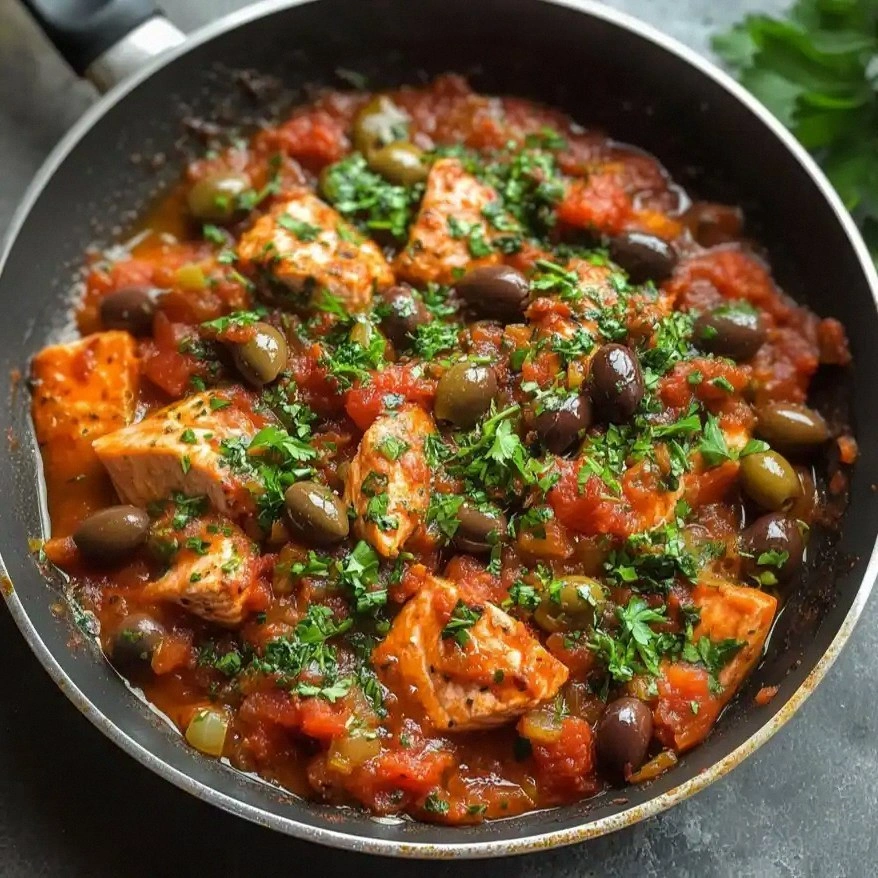
I can still feel the heat of the skillet, hear the sizzle as olive oil meets anchovy fillets, and smell the sharp, briny tang of Kalamata olives mingling with the sweet roast of garlic. The sight is a riot of colors: deep reds from sun‑dried tomatoes, glossy black olives, bright green parsley, and the pale, almost translucent fish fillets that glisten as they cook. The taste is a layered explosion—savory, umami, a hint of citrus, and a subtle heat that lingers on the palate. The texture is a delightful contrast between the tender fish and the crunchy, slightly briny olives, all wrapped in a silky, tomato‑anchovy sauce that coats the pasta like velvet. The feel? The comforting weight of a plate that promises comfort, yet delivers a sophisticated twist.
What makes this version stand out is that it takes the classic puttanesca and elevates it with a fish centerpiece that adds protein and a subtle, flaky texture while keeping the sauce bright and vibrant. It’s a recipe that respects tradition but refuses to be bound by it, using a few clever tweaks—like adding a splash of white wine for depth, and finishing with a generous zest of lemon that cuts through the richness. It’s hands down the best version you’ll ever make at home because it balances boldness and restraint, delivering a dish that feels both comforting and adventurous. I dare you to taste this and not go back for seconds.
I’ll be honest—after my first batch, I ate half the plate before anyone else could even touch a fork. That’s how potent this sauce is. The anchovy fillets dissolve into a silky base, the olives add a salty crunch, and the fish absorbs every nuance, becoming a canvas for the sauce’s complex flavors. The result is a dish that feels like a culinary handshake: firm, confident, and utterly satisfying.
Most recipes get this completely wrong by over‑cooking the fish or under‑seasoning the sauce. Here’s what actually works: keep the fish fillets moist, let the sauce simmer just enough to meld the flavors, and finish with fresh herbs and a splash of lemon to brighten everything. Picture yourself pulling this out of the pan, the whole kitchen smelling incredible, and seeing that golden sheen on the sauce that promises a mouth‑watering bite.
And now the fun part: the technique. I’ll walk you through every single step, from the moment you open the can of tomatoes to the final garnish. By the end, you’ll wonder how you ever made it any other way. Stay with me here—this is worth it.
So grab your skillet, your favorite fish fillets, and let’s dive into a puttanesca that will have you shouting, “This is amazing!” in the middle of the kitchen, because it’s that good.
What Makes This Version Stand Out
- Bold Flavor: The anchovy base gives a deep umami punch that’s unmistakable, yet balanced by bright citrus and fresh herbs.
- Texture Contrast: The fish stays flaky and moist, while the olives provide a satisfying bite that breaks up the richness.
- Speed: Ready in 30 minutes, making it a perfect weeknight dinner that doesn’t feel rushed.
- Simplicity: Only a handful of ingredients, no complicated steps—yet the result is restaurant‑level.
- Make‑Ahead Potential: The sauce keeps well; just reheat with a splash of water and it’s as good as fresh.
- Audience Impact: Crowd-pleaser for both pescatarians and meat lovers who appreciate a well‑crafted pasta.
- Ingredient Quality: Using high‑quality olives and anchovies elevates the entire dish, turning everyday pantry staples into a gourmet experience.
- Versatility: Works beautifully with linguine, spaghetti, or even a hearty risotto base.
Alright, let's break down exactly what goes into this masterpiece…
Inside the Ingredient List
The Flavor Base
Anchovy fillets are the secret to that savory depth. They dissolve into the olive oil, creating a subtle umami foundation that’s far more complex than plain salt. If you skip them, the sauce loses that rich backbone and feels flat. Swap them for a tablespoon of anchovy paste if you can’t find fillets, but remember it’s more concentrated—use half the amount.
Garlic cloves bring aromatic brightness. When minced finely, they release a sweet, peppery aroma that pairs beautifully with the tomatoes. Over‑mincing can make the sauce bitter, so aim for a medium mince. If you’re sensitive to garlic, use a pinch of garlic powder instead, though the texture will differ.
The can of diced tomatoes is the sauce’s canvas. Choose a high‑quality brand with no added sugar or preservatives for the purest flavor. If you prefer a thicker sauce, blend a portion of the tomatoes before adding them, or cook the sauce a bit longer to reduce liquid. A good rule of thumb: let it simmer for at least 10 minutes to allow the flavors to meld.
Red pepper flakes inject a gentle heat that warms the dish without overpowering the delicate fish. Too much can overwhelm the subtle flavors, so start with a teaspoon and adjust to taste. If you prefer a milder version, omit the flakes entirely and rely on the natural heat from the tomatoes.
Olive oil is the medium that brings everything together. The first tablespoon is used to sauté the anchovies, garlic, and red pepper flakes, creating a fragrant base. The second tablespoon is added later to enrich the sauce and help the olives adhere. Use a high‑quality extra‑virgin olive oil for the best aroma and flavor.
Dried oregano adds a herbal note that balances the acidity of the tomatoes. It’s a subtle touch that elevates the sauce’s complexity. If you’re allergic to oregano, a pinch of dried basil or thyme can work as a substitute, but the flavor profile will shift slightly.
The Texture Crew
Kalamata olives bring a briny, slightly sweet crunch. Their dark color adds visual appeal, while their oil content helps coat the pasta. If you prefer a milder olive, use green olives, but they’ll bring a different flavor profile. The key is to pitted them so they don’t overpower the sauce.
Capers contribute a burst of sharpness that cuts through the richness. They’re a classic component of puttanesca, but if you’re not a fan of their brine, rinse them thoroughly or replace them with a splash of vinegar to achieve a similar acidity.
Fresh parsley is the final flourish that brightens the dish. Its green freshness cuts through the depth of the sauce, creating a balanced flavor profile. If you’re out of parsley, a handful of basil or cilantro can offer a different but still delightful twist.
The Unexpected Star
Lemon zest is the secret weapon that brings a bright, citrusy lift to the sauce. It’s a small addition that makes the dish feel lighter and more vibrant. If you don’t have fresh lemons, a tablespoon of lemon juice can substitute, but the zest’s aromatic oils are irreplaceable.
A splash of white wine adds depth and a subtle acidity that balances the sweetness of the tomatoes. It’s optional but highly recommended for a more complex flavor. If you’re avoiding alcohol, replace it with a splash of chicken or vegetable broth.
Everything's prepped? Good. Let's get into the real action…
The Method — Step by Step
- Heat the skillet. Place a large, heavy‑bottom pan over medium heat and pour in the first tablespoon of olive oil. Once the oil shimmers, add the anchovy fillets, breaking them apart with a spoon. The anchovies will melt into a fragrant base that smells like the sea. Watch the oil change color as the anchovies dissolve—this is the foundation of your sauce. Kitchen Hack: For a smoother sauce, use a blender to puree the anchovy mixture before adding the rest of the ingredients.
- Introduce the garlic. Add the minced garlic to the pan, letting it sizzle for 30 seconds until fragrant. The aroma should be sweet and peppery, signaling that the garlic is ready. Be careful not to let it brown, as burnt garlic tastes bitter. Stir constantly to keep it from sticking. If you notice any lingering bitterness, rinse the pan and start again with fresh garlic.
- Spice it up. Sprinkle the red pepper flakes into the pan, letting them toast slightly for a minute. The heat should be gentle, releasing a warm, smoky aroma. This step is crucial; too much heat will overpower the delicate fish. If you prefer a milder sauce, reduce the flakes to a pinch.
- Tomato time. Pour in the can of diced tomatoes, including the juice. Stir to combine, allowing the tomatoes to break down into a slightly chunky sauce. Let the mixture come to a gentle simmer; the heat should be low enough that it doesn’t bubble aggressively. This simmer allows the flavors to marry, creating a sauce that’s both vibrant and cohesive.
- Olive and caper addition. Add the pitted Kalamata olives and capers to the sauce. Stir them in, letting them mingle with the tomatoes. The olives will release their oil, enriching the sauce, while the capers bring a sharp bite. The combination should look glossy and bright, with the olives visibly popping in the sauce.
- Season the sauce. Sprinkle in the dried oregano, a dash of salt, and freshly ground pepper. Taste and adjust; the sauce should have a balanced, savory profile. If you find it too acidic, add a pinch of sugar to mellow the tomatoes. This seasoning step is where the sauce truly comes alive, and it’s worth taking your time to get right.
- Introduce the fish. Place the fish fillets into the pan, skin side down if applicable. Gently press them into the sauce to ensure contact. Cover the pan with a lid and let the fish cook for about 6–8 minutes, depending on thickness. The fish should be opaque and flaky, not rubbery. This step is the moment of truth; keep a close eye to avoid over‑cooking.
- Finish with freshness. Once the fish is cooked, remove the lid and stir in the fresh parsley, lemon zest, and optional splash of white wine. Let the sauce simmer for an additional minute, allowing the lemon to brighten the dish. The final sauce should have a glossy sheen and a bright, citrusy aroma that lifts the entire plate.
That’s it — you did it. But hold on, I've got a few more tricks that'll take this to another level…
Insider Tricks for Flawless Results
The Temperature Rule Nobody Follows
Many chefs think the sauce should be a rolling boil, but that’s a mistake. The sauce should simmer at a low heat, around 180–200°F, to allow the flavors to meld without evaporating too quickly. A low simmer preserves the delicate citrus notes and keeps the fish tender. If the sauce starts to thicken too much, add a splash of water or broth to maintain the desired consistency.
Why Your Nose Knows Best
Smell is the ultimate guide to seasoning. If the sauce smells bright and aromatic, it’s ready. If it has a burnt or flat scent, it needs more time. Trust your nose; it will tell you when the tomatoes have caramelized enough to bring out their sweetness.
The 5-Minute Rest That Changes Everything
After removing the pan from heat, let the dish rest for five minutes before serving. This rest allows the flavors to redistribute and the fish to finish cooking gently. It also gives the sauce a chance to thicken slightly, creating a more cohesive bite.
The Freshness Factor
Use the freshest ingredients you can find, especially the fish and olives. Fresh fish will hold together better and taste cleaner. Fresh olives will have a brighter, more complex flavor, whereas canned olives can be a bit bland.
The Quick Toss
If you’re short on time, toss the cooked fish with the sauce in a separate pan for a minute or two. This quick step ensures every bite is coated with sauce, preventing dry patches.
Creative Twists and Variations
This recipe is a playground. Here are some of my favorite ways to switch things up:
Puttanesca Pasta Swap
Swap linguine for spaghetti or even a wide ribbon pasta. The wider pasta will hold more sauce, creating a heartier bite. If you’re vegan, replace the fish with marinated tofu or tempeh for a protein punch.
Spicy Shrimp Edition
Add peeled shrimp to the sauce during the final simmer. The shrimp will cook quickly, infusing the sauce with a briny, sweet flavor that complements the olives. This version is perfect for a quick seafood feast.
Mediterranean Quinoa Bowl
Serve the sauce over a bed of fluffy quinoa instead of pasta. The quinoa’s nutty flavor pairs well with the salty olives, creating a low‑carb, protein‑rich dish. This is ideal for a post‑gym meal.
Herb‑Infused Variations
Swap parsley for fresh basil or cilantro, depending on your taste preference. Basil will add a sweet, minty note, while cilantro will bring a bright, citrusy zing. These variations keep the dish fresh and exciting.
White Wine Reduction
If you love a deeper flavor, reduce the white wine before adding it to the sauce. Let it simmer until it’s almost gone, concentrating the acidity and adding a subtle sweetness. The result is a sauce that’s rich and complex.
Storing and Bringing It Back to Life
Fridge Storage
Store leftovers in an airtight container in the refrigerator for up to 3 days. The sauce will thicken slightly, so add a splash of water or broth before reheating to restore its original consistency.
Freezer Friendly
The sauce freezes well for up to 2 months. Portion it into freezer bags, remove as much air as possible, and seal tightly. Thaw overnight in the refrigerator before reheating.
Best Reheating Method
Reheat the sauce over low heat, stirring frequently. Add a splash of water or broth to thin it out and bring it to a gentle simmer. Finish with fresh herbs and a squeeze of lemon to brighten the dish.