Picture this: It's 11:47 PM on October 30th, and I'm standing in my kitchen looking like a flour-dusted mad scientist. My neighbor just texted that she's bringing her kids over tomorrow for an impromptu Halloween party, and I promised I'd have something spooky and delicious. My original plan of elaborate ghost cupcakes failed spectacularly when they looked more like sad marshmallow blobs than anything remotely frightening. But then, like a sign from the Halloween gods, I spotted my skeleton cookie cutter collection and had the kind of lightning-bolt idea that makes you drop everything and sprint to the pantry.
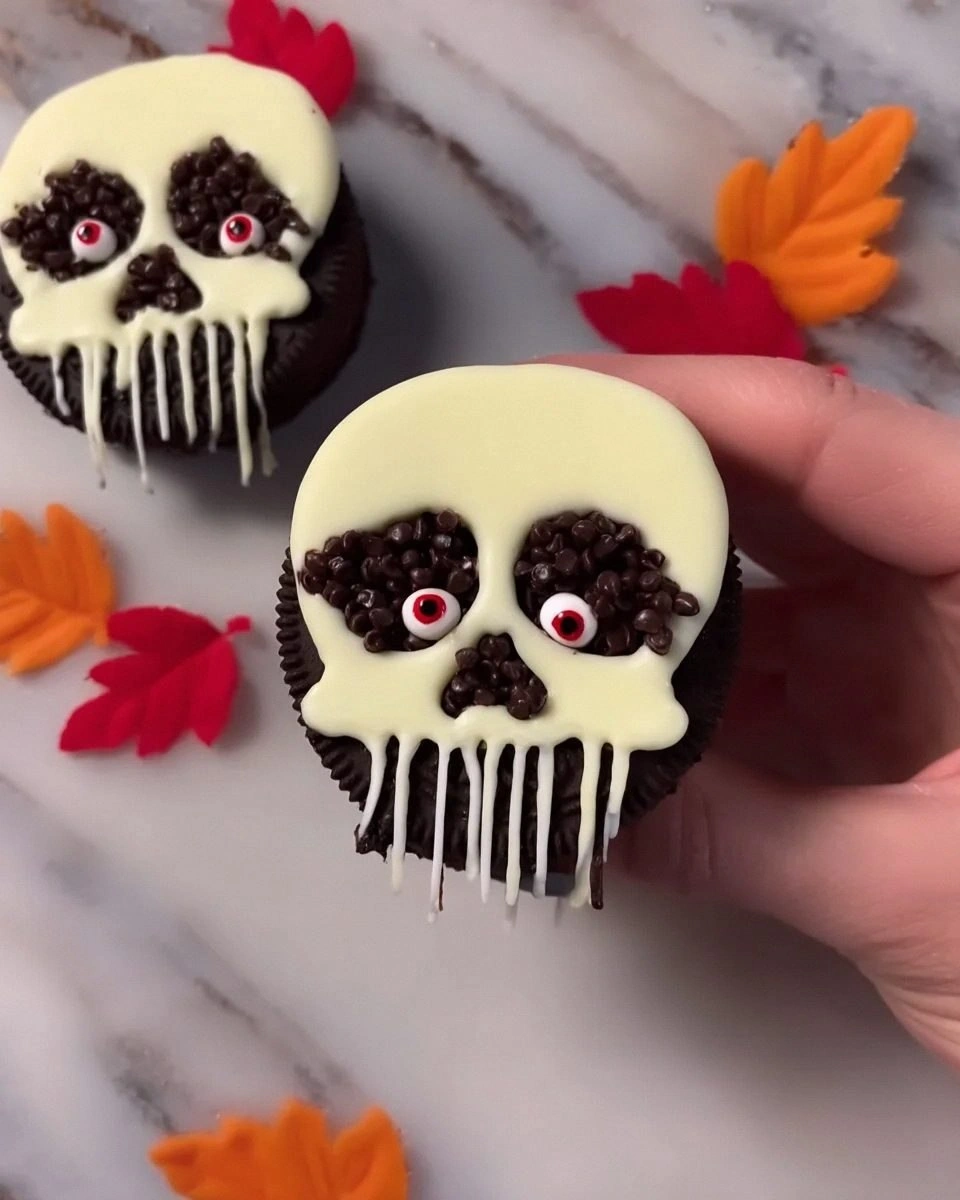
What happened next was three hours of pure kitchen alchemy that resulted in the most ridiculously fun, impressively spooky, and downright delicious creation that's about to become your new favorite Halloween tradition. These aren't just cookies — they're Spooky Skeleton Baking Hack masterpieces that look like intricate sugar-craft work but secretly come together faster than ordering takeout. The magic happens when you layer flavored doughs to create cookies with actual dimension and depth, giving you skeletons that look like they're dancing right off the baking sheet.
I know what you're thinking because I thought it too: "There's no way I can make something that looks this professional without culinary school and industrial equipment." But here's the beautiful truth — this recipe was born from desperation and limited skills, which means if I can nail it while half-asleep and fueled by Halloween candy, you absolutely will crush it on your first try. The technique is so forgiving that even my neighbor's six-year-old managed to help, and his cookies looked better than most bakery displays.
Let me walk you through every single step — by the end, you'll wonder how you ever made Halloween treats any other way.
What Makes This Version Stand Out
Before we dive into the ingredient deep-dive, let me tell you why this isn't just another sugar cookie recipe wearing a Halloween costume. This is the recipe that'll have your friends interrogating you about your secret culinary school past, even if the most complicated thing you've made before this was slice-and-bake cookies.
- Flavored Layers: Instead of plain sugar dough, we're creating chocolate and vanilla layers that actually taste like something special. When guests bite into these skeletons, they get this incredible flavor reveal that makes them stop mid-chew and close their eyes in appreciation.
- 3D Effect Magic: The technique creates cookies with actual depth — the bones look like they're floating above the background. It's achieved through strategic layering and cutting that sounds complicated but takes literally five extra minutes total.
- No Royal Icing Required: I love royal icing on complicated showpieces, but for party cookies that need to survive actual handling? This recipe uses the dough itself for all the decorative elements, meaning no drying time and zero risk of smudged designs.
- Make-Ahead Champion: The dough keeps beautifully in the fridge for a week, and the baked cookies stay crisp and delicious for days. I've made these on a Sunday and served them the following Saturday with zero quality loss.
- Kid-Tested Sanity Saver: My nephew's preschool class decorated these, and not one broke. The dough is sturdy enough for enthusiastic little hands but still tender and delicious.
- Instagram Gold: These photograph like something from a professional bakery photoshoot, but they require zero special equipment beyond basic cookie cutters you probably already own.
Alright, let's break down exactly what goes into this masterpiece...
Inside the Ingredient List
Here's where we separate the baking wizards from the mere mortals. Each ingredient in this recipe pulls double or triple duty, creating layers of flavor and texture that'll make you question everything you thought you knew about simple sugar cookies. The beauty lies in how ordinary pantry staples transform into something extraordinary through technique and timing.
The Flavor Foundation
Quality butter makes or breaks this recipe — I learned this the hard way after trying to save money with store brand butter and ending up with cookies that tasted like disappointment and regret. You want the good European-style butter with higher fat content because it creates that melt-in-your-mouth texture that makes people involuntarily close their eyes when they take a bite. The vanilla isn't just any vanilla — we're using vanilla bean paste because those little flecks create visual interest even in the chocolate dough, plus the flavor is more complex than extract alone. Dark cocoa powder gives us that deep, almost black color for the skeleton details without requiring food coloring that tastes like chemicals.
If you're thinking of substituting margarine to make this dairy-free, I admire your optimism but please don't — the cookies will spread into unrecognizable puddles and taste like sweetened cardboard. Coconut oil works in a pinch, but use refined so the tropical flavor doesn't clash with the chocolate and vanilla theme we're building.
The Texture Team
Cake flour might seem like an odd choice for cookies, but here's the secret: it creates that tender, almost shortbread-like texture that makes these feel special rather than just sweet. The lower protein content means less gluten development, which translates to cookies that snap cleanly rather than bending and breaking awkwardly. Cornstarch is our insurance policy against toughness — just a tablespoon makes the dough more forgiving and the final texture more delicate.
Brown sugar in the chocolate dough isn't just for flavor (though the molasses notes pair beautifully with cocoa). The extra moisture helps prevent the chocolate layer from becoming brittle and crumbly, which would make our skeleton cutting technique impossible. Regular granulated sugar in the vanilla layer gives us crisp edges and that satisfying snap when you bite into a cookie.
The Unexpected Star
Espresso powder in the chocolate dough is my favorite sneaky ingredient — it doesn't make the cookies taste like coffee, but it amplifies the chocolate flavor to levels that make chocolate lovers weak in the knees. Just a quarter teaspoon transforms good chocolate cookies into "what kind of sorcery is this" chocolate cookies. If you're serving these to kids and worried about caffeine, relax — there's less caffeine per cookie than in a sip of cola.
Cream of tartar might seem unnecessary, but it's the difference between dough that rolls beautifully and dough that sticks, tears, and makes you question your life choices. It stabilizes the egg whites slightly, giving the cookies better structure and preventing them from spreading into skeleton puddles instead of skeleton people.
The Final Flourish
Pearl sugar for decorating creates those chunky, sparkly bones that catch the light and look like actual bone texture. Regular sugar dissolves into the cookie, but pearl sugar stays intact, giving you little crunches of sweetness that make eating these feel like an adventure. If you can't find pearl sugar, crush some sugar cubes — same effect, zero specialty shopping required.
Everything's prepped? Good. Let's get into the real action...
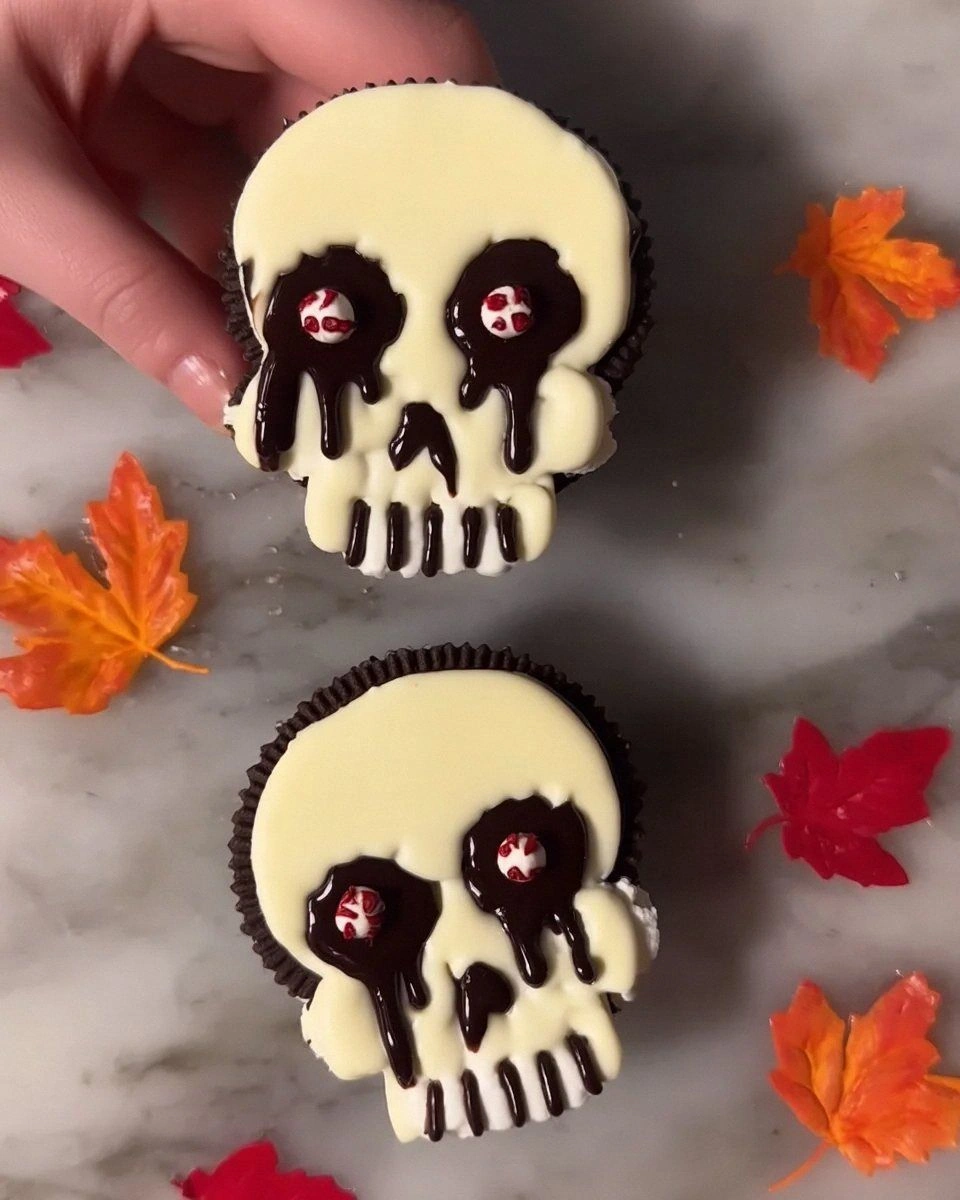
The Method — Step by Step
- Start by making both doughs simultaneously because they share a similar base, which means you'll dirty fewer bowls and the process feels less overwhelming. Cream the butter and sugars for each dough separately — I use my stand mixer for the vanilla dough while mixing the chocolate dough by hand in a large bowl, which prevents cross-contamination of flavors and speeds up the process. The vanilla dough should be pale and fluffy, while the chocolate dough will be darker and slightly firmer due to the cocoa powder. Both doughs need to rest for at least 30 minutes before rolling, which gives the flour time to hydrate and prevents shrinkage during baking.
- Roll out the chocolate dough first, between two sheets of parchment paper to prevent sticking and eliminate the need for excessive flour, which would make the cookies tough. You're aiming for about 1/4-inch thickness — use guide rings on your rolling pin or two magazines of equal thickness as guides. The dough should be pliable but not sticky; if it cracks around the edges, let it warm up for five minutes. This is the foundation layer that creates the dark background for our skeletons, so make sure it's large enough to cut at least 12 skeleton shapes with minimal re-rolling.
- Chill the rolled chocolate dough on a baking sheet for 15 minutes while you roll the vanilla dough to the same thickness. This brief chill makes the chocolate dough easier to handle and prevents tearing when you cut shapes. The vanilla dough rolls more easily than the chocolate, so don't worry if it seems too soft — that's exactly what we want for the layering technique. Slide both doughs, still on their parchment, onto the same baking sheet to save space in your fridge.
- Now comes the magic moment — cutting the skeleton shapes from both doughs simultaneously. Stack the vanilla dough on top of the chocolate, lining up the edges as closely as possible. Use your skeleton cutter to cut through both layers, creating identical shapes. The key is to press straight down without wiggling the cutter, which keeps the edges clean and prevents the layers from shifting. Carefully separate the layers — you'll have chocolate skeletons and vanilla skeletons that are mirror images of each other.
- Here's where the 3D effect happens: use a small round cutter or the tip of a piping nozzle to cut out the "bones" from the chocolate skeletons. These will become the negative space that shows the vanilla layer underneath. Work carefully but quickly — if the dough gets too warm, the details will blur. Save the chocolate cutouts to make mini bone cookies for decorating or snacking while you work. The contrast between the dark chocolate and pale vanilla creates visual depth that makes these cookies look professionally decorated.
- Assemble the cookies by placing a vanilla skeleton on top of each chocolate skeleton with the cutouts, pressing gently to adhere. The vanilla dough is soft enough to mold into the chocolate cutouts, creating a seamless look. If any vanilla dough squishes out, use a toothpick to tuck it back into place. This assembly line approach means you can make two dozen decorated cookies in the time it would take to pipe details on six traditional cookies.
- Chill the assembled cookies for 20 minutes before baking — this is crucial for preventing spreading and maintaining those crisp skeleton shapes. While they chill, preheat your oven to 325°F (165°C), which is lower than typical cookie recipes to prevent over-browning that would obscure the contrast between layers. The cookies are done when the vanilla edges are just starting to turn golden, which takes about 12-15 minutes depending on your oven. They'll look slightly underdone in the center, which gives you that perfect tender texture after cooling.
- Cool the cookies completely on the baking sheet — they're delicate while warm and will break if you try to move them too soon. As they cool, the vanilla layer will contract slightly, creating even more visual depth between the layers. Once cool, you can add pearl sugar "bone" details by brushing a tiny bit of corn syrup on specific areas and pressing the sugar in place. Store the finished cookies in an airtight container, where they'll stay crisp and delicious for up to five days, though honestly they've never lasted longer than two days in my house.
- The final step is the most satisfying — arranging your skeleton army on a platter and watching people's faces when they realize you made these yourself. The 3D effect is so striking that most people assume you used some kind of special mold or professional technique. The best part? When you tell them it's just clever layering, they immediately want to try making their own. I've started a small revolution in my neighborhood — last Halloween, three other houses on my street had their own versions of these cookies.
That's it — you did it. But hold on, I've got a few more tricks that'll take this to another level...
Insider Tricks for Flawless Results
After making these cookies more times than I care to admit (my freezer currently contains five different test batches), I've discovered some game-changing techniques that separate the "pretty good" from the "how did you even make these" results. These aren't just suggestions — they're the difference between cookies that look homemade in the best way versus cookies that look like they came from that expensive bakery downtown.
The Temperature Rule Nobody Follows
Room temperature butter is a lie we've all been told — for these cookies, you want your butter cool but pliable, around 65°F (18°C). Too warm and the dough will be greasy and impossible to roll thin; too cold and you'll have butter chunks that create holes in your layers. The test: press your finger into the butter — it should leave an indent but not slide right through. If your kitchen is warm, cut the butter into small pieces and let it sit for just 10 minutes while you gather other ingredients.
Same goes for eggs — use them cold straight from the fridge. The yolks emulsify better when cold, creating a more stable dough that won't weep butter during baking. This is especially important for the chocolate dough, which already has cocoa powder making it more temperamental than the vanilla version.
Why Your Nose Knows Best
Don't rely on the timer alone — these cookies are done when your kitchen smells like a vanilla-chocolate cloud and you can smell them from the next room. That aroma means the vanilla is caramelizing and the chocolate is developing its full flavor potential. If you wait for visual cues alone, you'll likely overbake them. The cookies should still be pale in the centers when you pull them out — they'll finish setting as they cool on the hot pan.
The 5-Minute Rest That Changes Everything
After rolling each dough, let it rest for exactly five minutes before cutting shapes. This brief relaxation period allows the gluten to relax, preventing shrinkage and cracking around the edges. It's the difference between cookies that hold their shape perfectly and ones that look like skeletons who've been through a windstorm. Set a timer — five minutes is the sweet spot. Too short and you still get shrinkage; too long and the dough becomes difficult to cut cleanly.
This rest also lets the butter firm up slightly, which is crucial for clean cuts when you're doing the two-layer technique. Warm dough will stick to your cutter and tear when you separate the layers, but properly rested dough releases cleanly and maintains sharp edges.
Creative Twists and Variations
This recipe is a playground. Here are some of my favorite ways to switch things up:
Pumpkin Spice Skeletons
Replace 2 tablespoons of flour in the vanilla dough with pumpkin pie spice blend, and add a tablespoon of maple syrup for extra autumn flavor. The warm spices pair beautifully with the chocolate layer, creating a cookie that tastes like fall in the best possible way. These are especially good with a cup of hot apple cider while you're handing out Halloween candy.
Mocha Magic
Add instant espresso powder to both doughs — 1 teaspoon in the chocolate and 1/2 teaspoon in the vanilla — for cookies that taste like your favorite coffee shop drink. The bitterness of the coffee balances the sweetness perfectly, making these sophisticated enough for adult Halloween parties while still being fun for kids.
Citrus Skeleton Surprise
Zest of one orange in the vanilla dough creates this incredible aromatic cookie that tastes like chocolate orange in cookie form. The citrus oils also make the dough more fragrant while baking, so your house smells like a chocolate orange factory in the best possible way.
Salted Caramel Skeletons
Drizzle cooled cookies with homemade caramel sauce and sprinkle with flaky sea salt. The sweet-salty combination elevates these from party cookies to gourmet treats that wouldn't be out of place in an upscale bakery. The caramel also helps the pearl sugar decorations adhere if you're having trouble with them falling off.
Gluten-Free Ghosts
Substitute the all-purpose flour with a 1:1 gluten-free baking blend, but add an extra egg yolk for structure. The cookies will be slightly more delicate but still hold their shape beautifully. I've made these for friends with celiac disease, and they couldn't tell the difference in taste or texture.
Vegan Vanilla Vortex
Use vegan butter and flax eggs (1 tablespoon ground flaxseed mixed with 3 tablespoons water per egg) for a completely plant-based version. The texture is slightly different — more shortbread-like — but still delicious and perfect for vegan Halloween parties.
Storing and Bringing It Back to Life
Here's the beautiful truth about these cookies: they're actually better the second day, once the flavors have had time to meld and the textures settle into their final form. That means you can make them ahead for parties without any quality loss — a rare quality in decorated cookies that usually suffer from the dreaded soggy syndrome.
Fridge Storage
Store completely cooled cookies in an airtight container with parchment paper between layers — they'll stay crisp for up to five days at room temperature. If your kitchen is particularly humid, add a packet of food-safe silica gel to absorb excess moisture. The chocolate layer can bloom if stored in the fridge, so room temperature is your friend here. If they do soften slightly, pop them in a 200°F (95°C) oven for 5 minutes to restore crispness.
Freezer Friendly
These cookies freeze beautifully both as dough and baked cookies. For dough, wrap each flavor separately in plastic wrap, then foil, and freeze for up to 3 months. Thaw overnight in the fridge before rolling and assembling. For baked cookies, freeze in a single layer on a baking sheet, then transfer to freezer bags with parchment between layers. They'll keep for 2 months and thaw in about 30 minutes at room temperature.
Best Reheating Method
If your cookies have gone soft (humidity is the enemy of crisp cookies), revive them by placing on a wire rack in a 250°F (120°C) oven for 8-10 minutes. Let cool completely — they'll crisp up as they cool. This works even on cookies that have been stored for a week, making them taste freshly baked again.